Skip to content

Signs Your AC Needs Replacement in Phoenix
Is your air conditioner struggling to keep up with Phoenix’s brutal desert heat? You’re not alone—and ignoring the warning signs could cost you more than just comfort. In this article, we’ll break down the key clues that your AC might be ready for retirement—from rising energy bills and weak airflow to outdated systems still using R-22 refrigerant.
By spotting these signs early, you’ll be better prepared to decide if it’s time for a replacement—and how to keep your home cool when it matters most.
Recognizing When Your AC Needs Replacement in Phoenix
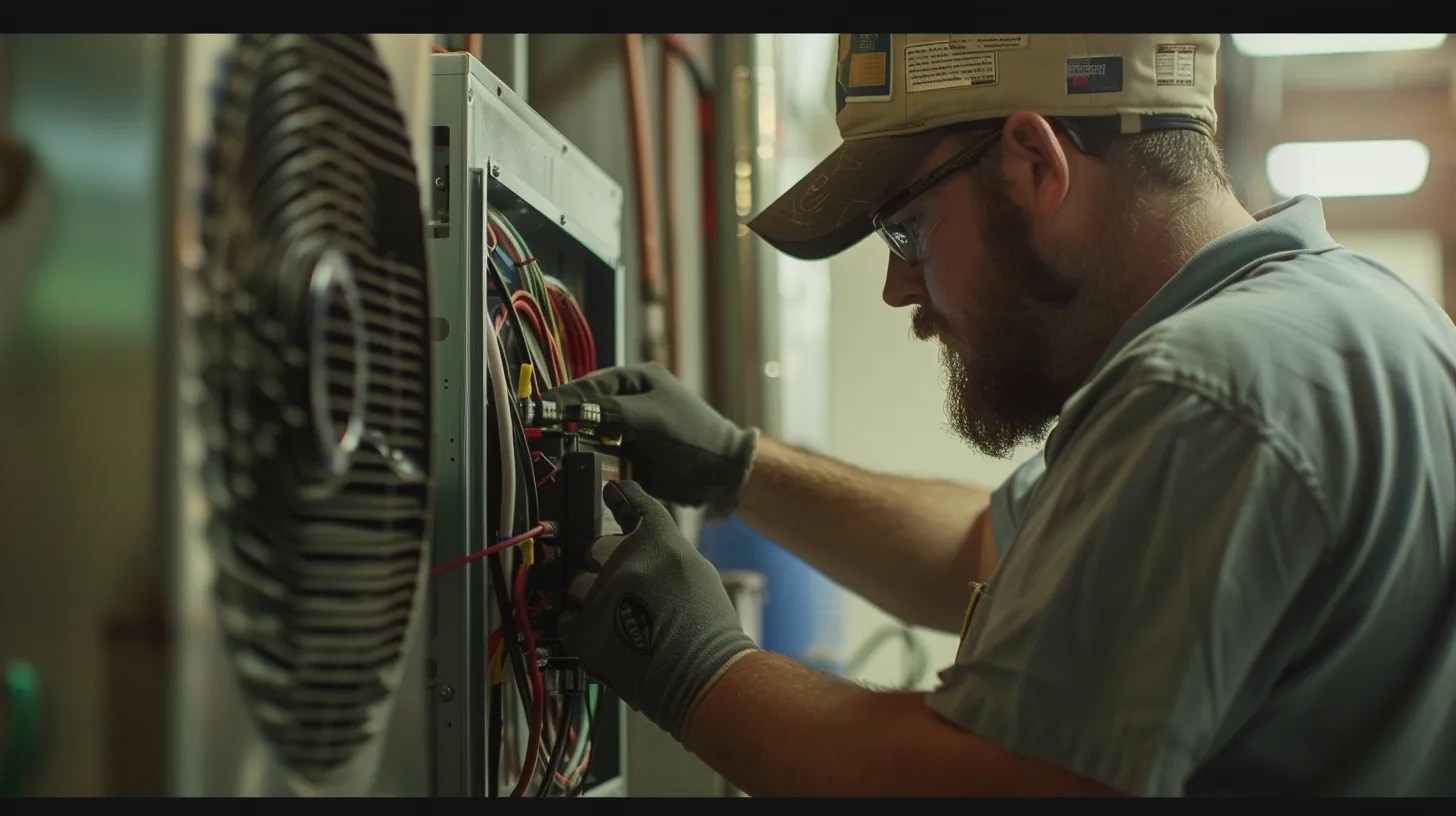
Understanding the typical lifespan of an air conditioner is key to knowing when it’s time for air conditioning replacement. Frequent and costly repairs, rising energy bills, and signs of refrigerant leaks can quickly become a serious headache.
Inconsistent cooling and recurring issues—like water damage from clogged drain lines or frozen coils—are also red flags. If you’re noticing any of these problems, it might be time to consider upgrading your system before Phoenix’s heat becomes unbearable.
Understanding the Typical Lifespan of an Air Conditioner
The typical lifespan of an air conditioner is about 10 to 15 years, which means homeowners should pay close attention as their system ages. As components like the compressor wear down, the unit may struggle with heating and cooling efficiency, leading to higher energy bills.
Detecting issues early, such as refrigerant leaks or duct problems, can help in deciding if it’s time for a replacement before more serious damage occurs.
Identifying Frequent and Costly Repairs
When an air conditioning unit requires repairs often, it’s a surefire sign that replacement might be on the horizon. For instance, if the combustion system or ventilation components frequently malfunction, homeowners may face steep repair bills that outweigh the cost of a new unit.
An experienced electrician can assess such issues, but if repairs are needed multiple times each season, it may be time to consider air conditioning replacement phoenix to ensure the home stays comfortable and efficient.
Analyzing Rising Energy Bills and Efficiency Issues
Rising energy bills often indicate a struggling HVAC system, and that could mean it’s time for a replacement. Homeowners in Phoenix should pay attention to these increases, as worn components can cause inefficiency in heating and cooling, leading to higher costs.
If repair for air conditioning becomes a regular expense and the electrical wiring shows signs of frequent issues, it may be more practical to consider HVAC system replacement rather than pouring money into ongoing repairs.
Noticing Inconsistent Cooling Throughout Your Home
Noticing uneven temperatures throughout your home? Inconsistent cooling often points to underlying HVAC issues that may require more than just a quick fix. If some rooms are too warm while others feel like a freezer, it could be a sign of ductwork problems or a system that’s losing efficiency.
Strange noises or poor humidity control could mean your system is headed for costly repairs or, worse, a voided warranty. In cases like these, investing in a new unit may be the smarter, more cost-effective choice for long-term comfort and peace of mind.
Recognizing Signs of Refrigerant Leaks
Detecting refrigerant leaks is crucial for homeowners in Phoenix, as these leaks can lead to inefficient cooling and even mold growth, creating mildew concerns. If the condensation drainage system is not functioning properly, moisture can accumulate due to worn-out parts, causing damage to the unit.
A heat pump that frequently struggles to maintain temperature might also indicate a refrigerant issue, which may mean the system is at the end of its lifespan, making replacement a smart choice.
Before deciding on a new air conditioning unit, it helps to know how old your current system really is. Understanding its age can reveal much about its performance and guide you toward the right choice.
Evaluating the Age of Your Air Conditioning System

Understanding the balance between regular maintenance and replacement helps clarify when an older model is no longer efficient. Additionally, recognizing factors like Freon usage, energy bills, and their impact on indoor air quality allows homeowners to make informed decisions about their climate comfort.
Understanding Regular Maintenance Versus Replacement Needs
Staying on top of regular AC maintenance is one of the best ways to extend the life of your air conditioning system in Phoenix. Tasks like changing the air filter, clearing out dust buildup from the evaporator, and checking coolant levels help your system run smoothly and prevent small issues from becoming major headaches. A qualified technician can also spot problems early—like a frayed wire or low refrigerant—that might otherwise lead to an unexpected air conditioner repair.
But what if you’re already doing all that… and your system is still acting up?
That’s when it’s time to start weighing air conditioner repair versus air conditioning replacement. If your unit continues to break down, struggles to keep up with demand, or your technician keeps finding new issues every visit, then it’s probably more cost-effective to invest in a replacement HVAC system.
Especially in Phoenix’s extreme heat, relying on a failing unit can lead to higher energy bills, uneven cooling, and potential breakdowns when you need it most.
| Aspect | Regular Maintenance | AC Replacement |
|---|---|---|
| Main Focus | Preventative care (cleaning, tuning, filter changes) | Replacing failing components or full unit |
| Common Tasks | Changing the air filter, checking the coolant, cleaning the evaporator, wires | Install new system, update ductwork, upgrade thermostat |
| Cost | Low, recurring (e.g., technician visit fees) | High initial cost but better long-term efficiency |
| Best For | Units under 10 years old with minor issues | Units 10–15+ years old or with frequent repair needs |
| Signs You Need More | Dust buildup, small leaks, worn wires | Inconsistent cooling, rising energy bills, no cold air |
| Outcome | Extends lifespan, lowers repair frequency | Improved comfort, lower bills, long-term peace of mind |
Recognizing When Older Models Are No Longer Efficient
Here’s how to tell if your older AC system is past its prime and possibly due for an upgrade:
- Struggles to maintain desired temperature: Older units may run constantly but still fail to keep your home cool—this is often a sign of reduced efficiency.
- Frequent repairs: If your technician is on speed dial, it’s probably time to consider a more reliable system.
- Rising energy bills: An inefficient system uses more power to do the same job, costing you more month after month.
- Airflow problems caused by debris: Over time, dust and debris can build up inside the system, especially around the evaporator or air filter, leading to blocked airflow and inconsistent cooling.
- Unit age (10–15+ years): Most systems start losing their efficiency around the 10-year mark, especially in Phoenix’s extreme climate.
- Technician recommends replacement: A professional assessment can give you a clear picture of whether repair or HVAC replacement is the smarter choice.
Recognizing these signs early can help you make a timely decision and transition to a replacement HVAC system that delivers better performance and lower utility costs.
Signs of Ineffective Cooling Performance
Warm air blowing from the vents, unusual noises, and odors affecting air quality are strong signals that an AC unit may need replacement. Each of these issues can impact comfort and efficiency in homes across Phoenix.
Attention to these signs can help homeowners make informed choices about their air conditioning systems and make sure their indoor environment remains pleasant and healthy.
Experiencing Warm Air Blowing From Vents
When warm air blows from the vents, it’s a clear sign that the air conditioning system is struggling. This could indicate issues such as a blown compressor or a faulty thermostat that need immediate attention.
You shouldn’t ignore this problem, as it often points to deeper inefficiencies and may be a signal that replacement is the best option for long-term comfort.
Unusual Noises Indicating Component Failure
Unusual noises coming from an air conditioning unit are clear indicators of potential component failure. If you hear loud clanking, rattling, or hissing sounds, it often signifies that internal parts like the compressor or fan could be in trouble.
Addressing these noises quickly is important, as ignoring them can lead to costly repairs or even the need for a complete AC replacement.
Presence of Odors or Air Quality Issues
If you start to notice strange odors coming from their air conditioning unit, it often signals serious problems beneath the surface. Musty smells could indicate mold growth in the ductwork or moisture buildup, while a burning scent might suggest electrical issues within the system.
Taking care of these odors promptly not only supports healthier indoor air quality but also helps maintain your cooling system’s efficiency and longevity. Ignoring the signs can lead to poor air quality and ongoing discomfort—making replacement a smart option if the issues continue.
When cooling systems struggle, it often signals a deeper issue lurking beneath the surface. Just as the air grows warmer, the shift in refrigerants looms closer, and understanding this change reveals its true cost.
The Impact of R-22 Refrigerant Phase-Out

The phase-out of R-22 refrigerant has significant implications for homeowners in Phoenix. Using R-22 can lead to challenges with cost and availability for repairs, making it a less viable option over time. Switching to energy-efficient alternatives not only benefits the environment but can also lead to savings on energy bills.
Understanding these points helps homeowners make informed choices regarding their air conditioning systems.
Understanding the Implications of Using R-22
As R-22 refrigerant becomes phased out, homeowners in Phoenix face rising challenges with cooling systems that still use it. Finding parts for repairs can become increasingly expensive and difficult, leading many to consider replacing their older units with modern, energy-efficient alternatives.
Switching to newer refrigerants not only enhances efficiency but also promotes a healthier indoor environment, making this transition a wise decision for those looking to maximize comfort while minimizing long-term costs.
Evaluating Cost and Availability of R-22 for Repairs
The cost and availability of R-22 refrigerant for repairs are becoming increasingly challenging for homeowners in Phoenix. As the phase-out progresses, finding R-22 in the market is not only difficult but also pricey, which could lead to unexpectedly high repair bills.
Switching to an energy-efficient air conditioning unit that uses alternatives can save homeowners money in the long run, making it a wise decision to consider replacement rather than dealing with the hassle and cost of older systems reliant on R-22.
Considering the Benefits of Energy-Efficient Alternatives
Switching to energy-efficient alternatives is a smart move for homeowners in Phoenix who are dealing with older AC units that still rely on outdated refrigerants like R-22. Modern systems offer better performance, lower energy bills, and use eco-friendly refrigerants that are safer for the environment.
As older units become more costly to maintain and less effective at cooling, upgrading to a high-efficiency air conditioning system can boost indoor comfort and provide long-term savings—making replacement a practical and forward-thinking choice.
As old refrigerants fade away, comfort in our homes must be re-evaluated. Understanding how to maintain a cozy environment will keep the heat at bay and ensure that every room feels like a refuge.
Evaluating Comfort Levels in Your Home
Humidity control issues and temperature fluctuations can greatly impact comfort levels in homes across Phoenix. Homeowners should be aware of how their AC performance affects overall comfort.
In this section, insights on assessing humidity challenges and recognizing uneven temperatures in different rooms will provide practical perspectives on when a replacement may be necessary to maintain a comfortable living environment.
Assessing Humidity Control Issues
Maintaining the right humidity levels is key to staying comfortable in Phoenix’s dry-yet-sometimes-sticky climate. If your air conditioning system can’t keep humidity under control, you might notice things like condensation on windows or a lingering musty smell.
These signs suggest your AC isn’t doing its job properly—and in some cases, replacement may be the best solution to restore consistent comfort and improve indoor air quality.
Noticing Temperature Fluctuations in Different Rooms
If the living room feels cool but the bedrooms stay warm, your air conditioning system might struggle to distribute air properly. This kind of inconsistency often points to deeper issues—like aging equipment, inefficient ductwork, or reduced system performance.
Upgrading to a more reliable cooling solution can help restore balanced airflow and consistent comfort throughout your home.
Impact of AC Performance on Overall Comfort
When air conditioning performance falters, comfort levels in a home can take a hit, especially in the sweltering Phoenix heat. A struggling AC unit can lead to uneven temperatures and higher humidity, making spaces feel sticky and uncomfortable.
Homeowners should be mindful of how poor cooling affects their daily lives, prompting the need to explore replacement options that can restore comfort and create a more enjoyable living environment.
Ready for a Cooler, More Comfortable Home? Call Superior Mech Today!
If your air conditioner is showing any of the signs we’ve covered—rising energy bills, uneven temperatures, strange noises, or just not keeping up with Phoenix’s extreme heat—it might be time to stop patching it up and start fresh with a system that works for you, not against you.
At Superior Mech, we’ve helped countless Phoenix homeowners upgrade to more reliable, energy-efficient HVAC systems that keep their homes cool, quiet, and comfortable year-round. We’re not just here to sell you a system—we’re here to guide you through the process, answer your questions honestly, and deliver expert service every step of the way.
Whether you need a second opinion, want to explore your options, or are ready for a full HVAC replacement, we’ve got your back.
To make your decision even easier, we offer a 10% discount for military members and a 10% discount for returning customers because we believe in rewarding loyalty and saying thank you to those we serve!