Skip to content

AC Installation Services in Phoenix: What You Need to Know
Installing or upgrading an air conditioner in Phoenix is a big decision that directly impacts your home’s comfort and energy efficiency. With extreme heat and high humidity, choosing the right air conditioning unit and proper air conditioning installation are key to avoiding uneven cooling, water damage, and rising energy bills.
This guide covers everything from recognizing signs you need a new AC, understanding SEER (Seasonal Energy Efficiency Ratio) ratings, and selecting the best system, to finding qualified installers and managing costs, helping you stay cool in the Phoenix heat.
Selecting the Right Air Conditioning System for Your Phoenix Home

Choosing the right air conditioning system for your Phoenix home is a big deal, especially when you’re up against months of relentless desert heat. The right setup not only keeps your home cool and comfortable but also helps lower energy bills and improve indoor air quality. So, where do you start?
Exploring Types of AC Systems
There’s no one-size-fits-all approach when it comes to air conditioning units. Homeowners can choose from central air conditioners, ductless mini-splits, split systems, packaged systems, and heat pumps.
- Central air systems are great for larger homes with ductwork already in place.
- Ductless systems offer flexibility and work well for additions, garages, or homes without existing ducts.
- Packaged units combine heating and cooling in one convenient setup, which is useful when space is limited.
- Split systems allow for zoning, so you can cool different parts of your home independently.
If you’re looking for efficiency and custom comfort, understanding how these systems function can help you narrow down your choices quickly.
Sizing and Energy Efficiency Matter
Once you’ve figured out the type of AC system that fits your needs, size and energy efficiency are the next big factors.
An oversized unit might cool the house quickly but won’t remove humidity effectively, leading to that clammy feeling. An undersized unit, on the other hand, will struggle to keep up, especially during peak summer. This is where professional load calculations or software tools come in handy to determine the proper tonnage for your home.
Don’t forget to check the SEER rating (Seasonal Energy Efficiency Ratio). Higher ratings mean better efficiency and long-term savings on utility costs, something every Phoenix homeowner can appreciate. If you’re into smart home features, look for smart thermostat compatibility to fine-tune your cooling schedule and reduce energy use.
Home Setup and Insulation
Before you lock in your AC system, think about the bigger picture, like your home’s insulation and layout. A well-insulated house puts less demand on your AC, while an open floor plan or multi-story home may require zoning or additional units to maintain even cooling.
When you understand your options and consider how your home works with your AC system, you’ll be set up for better performance, lower bills, and cooler days ahead
Key Indicators You Need New AC Installation Services in Phoenix

If your current AC system just isn’t cutting it, there may be more going on than meets the eye. Below are clear signs that it’s time to consider calling a trusted cooling and heating company for air conditioning replacement in Phoenix:
- Your unit is over a decade old: As air conditioners age, their parts wear out, performance drops, and repairs become more frequent. An older system might still run, but it likely uses more energy and struggles to keep up with Phoenix’s extreme heat.
- You’re constantly scheduling air conditioner repair: If you’re making multiple service calls each year, it’s a strong signal that your system is becoming unreliable. Frequent air conditioning repair costs can quickly add up; sometimes, replacing the system is simply the smarter financial move.
- Energy bills keep climbing: A noticeable increase in energy usage, without any change in how often you run your system, can point to worn-out parts or failing technology. Older systems work harder to produce the same results, wasting energy and money.
- Uneven cooling throughout your home: If some rooms are hot while others are cool, you could be dealing with poor airflow, failing ductwork, or an aging unit that can’t circulate air properly. This is a common warning sign for Phoenix homeowners.
- Excessive noise or strange odors: Grinding, buzzing, or banging sounds usually mean something is wrong inside the system. Add in musty or burnt smells, and you might be looking at mechanical issues or possible air quality concerns that go beyond a quick air conditioner repair.
- Visible signs of wear or water damage: Leaking water or rust around your AC unit could be caused by clogged drains, worn components, or a malfunctioning air handler or heat pump. Left unchecked, this can lead to mold growth or damage to surrounding areas of your home.
- Poor indoor air quality: If your home feels stuffy, humid, or dusty, your AC system may no longer be filtering air properly. Dirty coils, failing filters, or ventilation issues often point to a system that’s outlived its usefulness.
If you’re spotting more than one of these issues, it might be time to stop sinking money into an outdated system. An expert AC installer in Phoenix can help you determine whether air conditioning repair is worth it or if air conditioning replacement will give you better performance, comfort, and long-term savings.
The Phoenix AC Installation Process From Start to Finish

AC installation in Phoenix isn’t just about swapping out old equipment—it’s a multi-step process that can make a major difference in your home’s comfort and energy efficiency. Here’s a breakdown of what homeowners can expect during a professional AC installation, from the first consultation to the final system check.
Step 1: In-Home Consultation and Cooling Load Assessment
The process begins with a visit from licensed HVAC technicians who assess your home’s specific cooling needs. They evaluate the cooling load, check your ductwork, review insulation levels, and inspect the current air conditioning system.
This helps determine the right system size and model that fits your home layout and climate demands critical in a place like Phoenix, where temperatures soar.
Step 2: Receiving a Detailed Installation Quote
After the assessment, you’ll receive a detailed installation quote from your contractor outlining the cost of the new unit, labor, potential ductwork modifications, and optional upgrades like smart thermostat installation.
This is your time to ask questions about energy efficiency, warranties, and any possible add-ons like electrical updates or zoning systems. A transparent quote helps avoid surprises down the line.
Step 3: Preparing Your Home for Installation Day
Before HVAC system installation begins, a little prep can go a long way. Clear the area around your indoor and outdoor units, make sure there’s easy access to electrical panels and ducts, and protect nearby furniture or valuables from dust.
This keeps the air conditioner installation smooth and helps the crew stay focused on the task at hand.
Step 4: Removing the Old Unit and Installing the New System
On installation day, your technicians will safely remove your old unit and get started with the new air conditioning system. If needed, they’ll modify or upgrade ductwork, position the outdoor condenser, and install the new indoor components.
Once everything is in place, they’ll wire and connect the system, charge the refrigerant, and set up the thermostat.
Step 5: Calibrating System Controls and Checking Airflow
After installation, the crew will calibrate system controls to match your preferred settings and check the airflow to make sure it moves evenly through your home. Special care is taken with refrigerant charge levels, blower function, and ventilation paths to optimize energy efficiency and minimize any hot or cold spots.
Step 6: Post-Installation Testing and Final Walkthrough
The job isn’t done until the entire system is tested. HVAC technicians check for secure connections, look for leaks, and confirm the system runs according to manufacturer specs. You’ll receive documentation outlining your system’s features, maintenance schedule, and warranty coverage, along with tips for maintaining good indoor air quality.
Step 7: Long-Term Performance and Peace of Mind
Once your system is up and running, you’ll notice the difference. Proper AC installation helps reduce energy use, cuts down on noise, and improves indoor comfort during even the hottest days. With expert installation, every component, from ductwork to thermostat, works together to deliver reliable, efficient cooling all year long.
Finding Qualified and Reputable Phoenix AC Installers

Choosing the right AC installer in Phoenix can make all the difference in how well your air conditioning system performs and how long it lasts. With soaring temperatures and tough environmental conditions, it’s worth taking the time to vet potential contractors before signing on the dotted line.
Verifying Credentials and Professional Certifications
Before you commit to any Phoenix AC installers, check for licenses and insurance. A reputable cooling and heating company will have no problem sharing these details. Look for professional certifications from organizations like NATE (North American Technician Excellence) or ACCA (Air Conditioning Contractors of America). These confirm that the technicians have been properly trained and tested in real-world HVAC systems.
It’s also important to confirm that the installer carries adequate liability insurance. This protects you if something unexpected happens during your HVAC installation, like property damage or injury.
Reviewing Customer Feedback and Comparing Quotes
Take a look at reviews and testimonials online. Whether it’s Google, Yelp, or local business directories, previous customers often provide helpful insight into how a company handles timelines, communication, and workmanship. A track record of positive feedback is a strong indicator of consistent, quality service.
Don’t stop at one quote—get a few. Comparing quotes helps you spot big pricing differences and gives you a closer look at what’s included. Some air conditioning contractors might include extras like ductwork evaluations, maintenance plans, or even extended warranties, which can add a lot of value in the long run.
Asking the Right Questions About Local Expertise
When speaking with a potential installer, ask about their experience with Phoenix-specific challenges. Can they deal with clogged ductwork caused by desert debris? Are they familiar with installing systems designed to handle prolonged exposure to high ambient temperatures? Their answers can reveal whether they truly understand what it takes to keep a Phoenix air conditioning system running smoothly.
Don’t forget to ask about permitting. An experienced contractor will know the local codes and handle the paperwork, so your HVAC installation stays compliant and avoids delays.
Maintaining Your New Air Conditioner for Optimal Performance in Phoenix
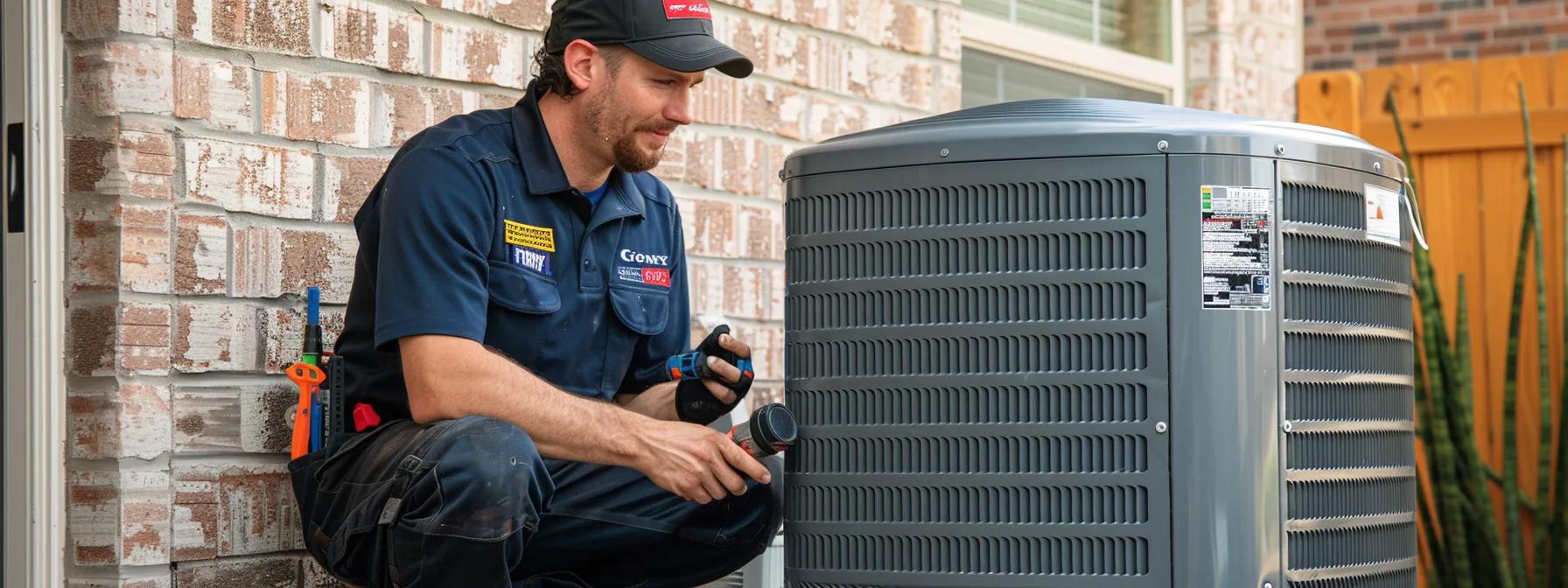
Once your new AC installation is complete, keeping it in top shape is key to long-term comfort, especially in Phoenix’s extreme heat. Regular upkeep helps improve energy efficiency, reduces the risk of air conditioning issues, and keeps your home feeling cool, clean, and consistent.
Schedule Regular Tune-Ups With an HVAC Technician
Don’t wait until something goes wrong; book seasonal service with a qualified HVAC technician. These checkups include cleaning the coils, inspecting electrical components, testing refrigerant levels, and clearing out dust that can clog up your system.
Routine tune-ups help with system maintenance and ensure your unit’s SEER rating, so your air conditioner uses less energy even during high summer demand.
Handle Simple Maintenance Tasks at Home
Some of the most important maintenance steps are the easiest to handle on your own. Start by regularly changing or cleaning your air filter—especially in Phoenix, where dust builds up fast. A clogged filter makes your system work harder, drives up your energy bills, and leads to uneven cooling.
Also, take time to:
- Clear debris around the outdoor unit
- Flush the drainage lines to prevent water backup
- Check for wear or visible damage to exterior parts
These quick DIY steps help prevent issues like water damage, mold growth, and poor indoor air quality.
Know Your Warranty and Maintenance Requirements
It’s easy to overlook the fine print, but most manufacturers require regular maintenance to keep your air conditioner under warranty. Skipping tune-ups could cost you coverage later if repairs are needed. Following the recommended service schedule helps avoid emergency calls and keeps your cooling system running smoothly when you need it most.
Ready to Upgrade Your Comfort? Call Superior Mech Today
From choosing the right system to proper installation and long-term maintenance, keeping your Phoenix home cool starts with the right team. If you’re facing rising energy bills, uneven cooling, or an aging unit, don’t wait for the heat to win.
Superior Mech is your local, family-owned HVAC expert with over 50 years of experience serving Phoenix residents. We understand the unique demands of the desert climate and bring unmatched professionalism, fast response times, and a commitment to customer service with every project.
Whether you need a full AC installation or just expert guidance, our team is here to help you stay cool, confident, and comfortable year-round.